


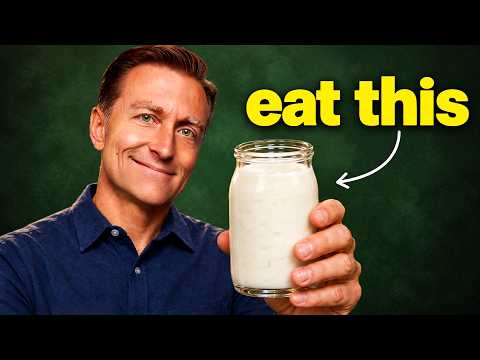

Oxytocin deficiency can cause more problems than most people realize. Discover the top signs of low oxytocin, oxytocin benefits, and how to increase oxytocin levels naturally.
👉 Download Dr. Berg’s Free Daily Health Routine: https://www.drberg.com/lp/daily-body-reboot-checklist
Just so you know, my full line of high-quality supplements is available on Amazon — search Dr. Berg Supplements.
0:00 What is oxytocin?
0:31 Oxytocin hormone explained
1:25 Oxytocin and stress
2:44 Low oxytocin symptoms
3:07 What causes oxytocin deficiency?
3:19 How to increase oxytocin
3:30 L. reuteri and oxytocin
Check out my interview about L. reuteri with Dr. William Davis:
Keep watching to learn more about the gut-brain connection:
HOW TO MAKE L. REUTERI YOGURT: ➡️ https://drbrg.co/4ctVuUu
[Affiliate links]
Yogurt Maker: https://drbrg.co/yogurt-maker2
Yogurt Jars: https://drbrg.co/yogurtjars
Yogurt Containers: https://drbrg.co/yogurt-containers
Organic Inulin: https://drbrg.co/organicinulin
Discover 6 natural ways to increase oxytocin here: https://www.drberg.com/blog/how-to-increase-oxytocin
There’s a lot of misinformation about oxytocin! Oxytocin is a hormone produced by the hypothalamus. Most people are familiar with its role in pregnancy and breastfeeding, but it does much more than that.
Oxytocin isn’t simply the love hormone. It acts more like a volume control, amplifying signals related to survival, social interactions, and reproduction. It also helps you identify signals of safety and danger.
Oxytocin helps you focus your attention on what matters most. For example, it allows a mother to become especially attuned to her baby’s cry.
Emotional detachment, emotional numbness, and unexplained anxiety could be signs of low oxytocin levels.
Lactobacillus reuteri (L. reuteri) is a beneficial microbe that can help increase oxytocin levels.
DATA:
https://pmc.ncbi.nlm.nih.gov/articles/PMC6053333
https://pmc.ncbi.nlm.nih.gov/articles/PMC2889126
https://pmc.ncbi.nlm.nih.gov/articles/PMC8745417
https://pmc.ncbi.nlm.nih.gov/articles/PMC9286573/
https://pmc.ncbi.nlm.nih.gov/articles/PMC10498800
https://pmc.ncbi.nlm.nih.gov/articles/PMC5431580
Dr. Eric Berg, DC, Bio:
Dr. Berg, DC, age 61, is a chiropractor who specializes in Healthy Ketosis & Intermittent Fasting. He is the author of the best-selling book, The Healthy Keto Plan, and is the Director of Dr. Berg Nutritionals. He no longer practices but focuses on health education through social media.
Follow Me on Social Media:
YouTube: https://drbrg.co/drberg
YouTube Shorts: https://www.youtube.com/@drbergshorts
Keto Recipe: https://www.youtube.com/@drbergketorecipes
Facebook: https://www.facebook.com/drericberg
Instagram: https://www.instagram.com/drericberg/
Spotify Podcast: 🎧 https://drbrg.co/DrBerg-Spotify
TikTok: https://www.tiktok.com/@drbergofficial
X: https://x.com/dr_ericberg
Disclaimer:
Dr. Eric Berg, DC, received his Doctor of Chiropractic degree from Palmer College of Chiropractic in 1988. His use of “doctor” or “Dr.” in relation to himself solely refers to that degree. Dr. Berg is a licensed chiropractor in Virginia, California, and Louisiana, but he no longer practices chiropractic in any state and does not see patients so he can focus on educating people as a full-time activity, yet he maintains an active license. This video is for general informational purposes only. It should not be used to self-diagnose, and it is not a substitute for a medical exam, cure, treatment, diagnosis, prescription, or recommendation. It does not create a doctor-patient relationship between Dr. Berg and you. You should not make any change in your health regimen or diet before first consulting a physician and obtaining a medical exam, diagnosis, and recommendation. Always seek the advice of a physician or other qualified health provider with any questions you may have regarding a medical condition.
#health #keto #ketodiet #weightloss #ketolifestyle #intermittentfasting #lowcarb
*Dr. Eric Berg, DC, is not AI-generated. AI-enhanced elements may be used in this video for production purposes only.
Thanks for watching! I hope this helps you recognize the signs of low oxytocin and how to increase it naturally. I’ll see you in the next video.
